
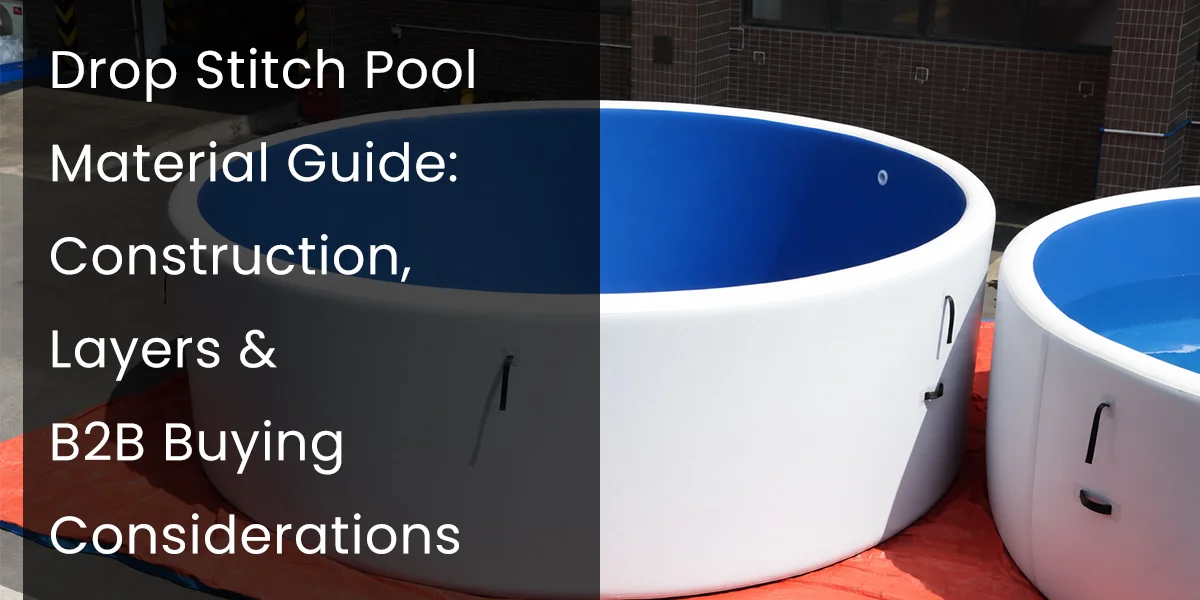
Choosing the right material is one of the most important decisions when developing a custom drop stitch pool. For B2B buyers, material selection affects not only appearance, but also rigidity, durability, production consistency and the final application of the pool.
I’m Charlie from Huale. We manufacture inflatable drop stitch pools for brands, distributors, rental companies and commercial projects. During product development, we evaluate material structure together with pool size, shape, usage environment and production requirements.
Short answer: a drop stitch pool is not defined by one single material. Its performance depends on the complete construction system, including drop stitch fabric core, PVC layers, reinforcement areas, welding method and final assembly process.
This guide explains the main material components used in drop stitch pool production and the factors B2B buyers should understand before selecting a supplier or developing a custom project.
What Makes Drop Stitch Pool Construction Different?
Traditional inflatable pools and drop stitch pools use different structural approaches.
A standard inflatable structure mainly relies on air pressure inside chambers. A drop stitch construction uses thousands of internal threads connecting the top and bottom layers, creating a more rigid platform when inflated.
For commercial applications, this structure allows manufacturers to develop pools with:
- Higher rigidity compared with traditional soft inflatable walls
- More stable walking surfaces
- Customizable shapes and dimensions
- Better suitability for repeated commercial use
- Compatibility with different project requirements
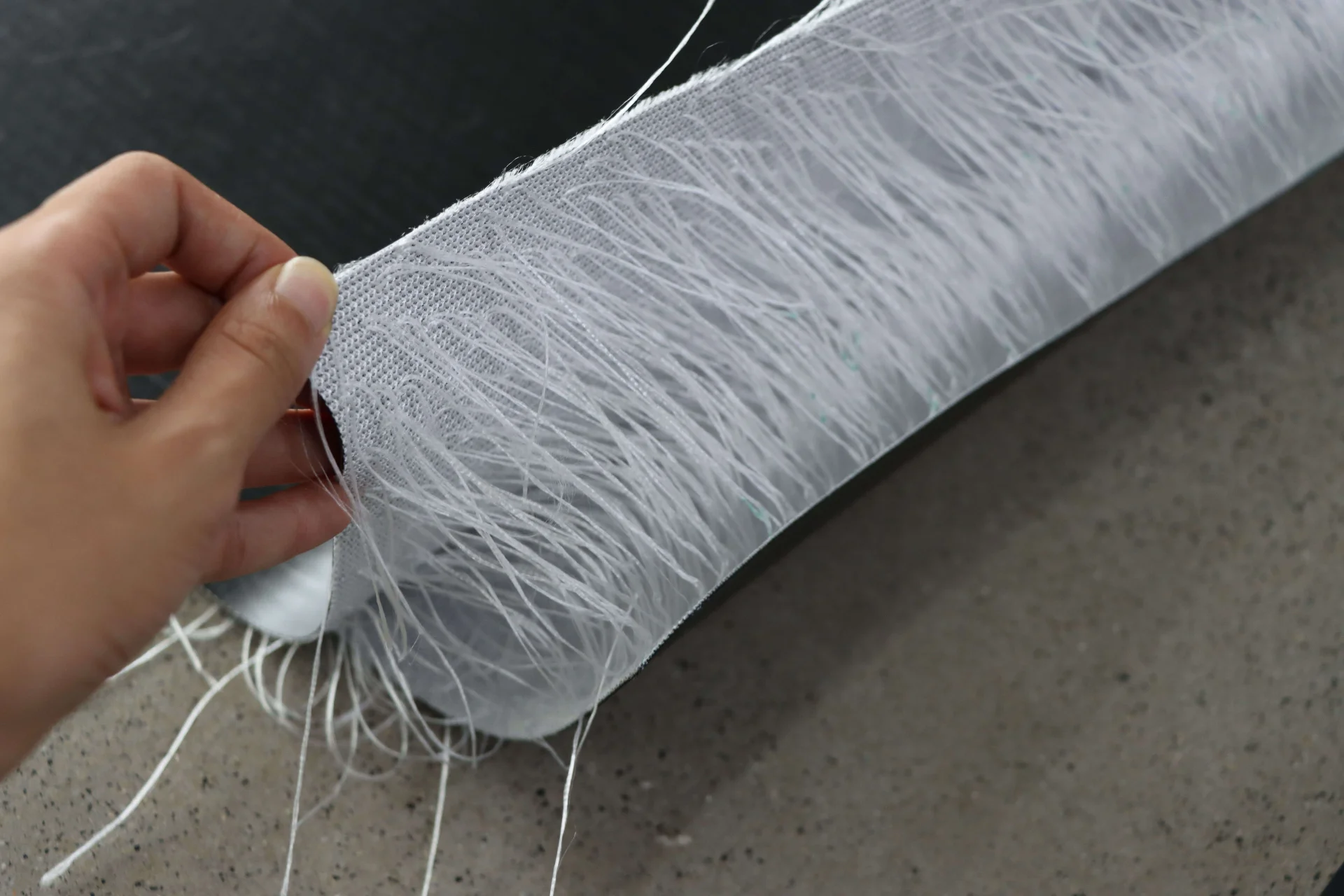
Drop Stitch Pool Material Structure Explained
A finished drop stitch pool is usually a combination of several material components rather than a single fabric.
| Component | Function | B2B Consideration |
|---|---|---|
| Drop Stitch Core | Creates internal connection between top and bottom surfaces | Influences rigidity and structural performance |
| PVC Outer Layers | Provides waterproofing and surface protection | Material consistency affects appearance and durability |
| Reinforcement Areas | Strengthens high-stress sections | Important around ports, handles and connection points |
| Welding or Bonding System | Joins different components together | Affects production consistency and finishing quality |
What Is Drop Stitch Fabric in Inflatable Pool Construction?
Drop stitch fabric is the structural foundation that allows an inflatable pool component to become more rigid after inflation.
Thousands of internal threads connect the upper and lower fabric layers. When air pressure is added, these threads help maintain a flatter and more stable shape compared with traditional inflatable chambers.
For B2B buyers, important considerations include:
- Consistency of the drop stitch structure
- Overall panel quality
- Compatibility with the pool design
- Production capability for the required dimensions
PVC Material Considerations for Drop Stitch Pools
PVC is commonly used in inflatable product manufacturing because it provides flexibility, waterproof performance and compatibility with industrial production processes.
When evaluating PVC materials, B2B buyers should consider:
- Material thickness specification
- Surface finishing requirements
- Color consistency
- UV exposure conditions
- Intended application environment
- Cleaning and maintenance requirements
The suitable PVC specification depends on the product design and application requirements rather than simply selecting the thickest available material.
How Does Welding Technology Affect Drop Stitch Pool Quality?
Material selection and joining technology work together. A high-quality material structure still requires appropriate manufacturing processes to create reliable seams and connections.
Important areas to review include:
- Seam consistency
- Connection between panels
- Reinforced areas around accessories
- Visual finishing quality
- Production repeatability
For OEM buyers, the production method should be evaluated together with the supplier’s manufacturing experience and quality control process.
How Should Material Selection Change by Application?
| Application | Main Material Consideration |
|---|---|
| Event Pool | Appearance, setup frequency and portability |
| Rental Pool | Repeated use, durability and maintenance |
| Wellness / Recovery Pool | Water temperature requirements and equipment compatibility |
| Brand Private Label Pool | Appearance consistency and production repeatability |
Material Checklist Before Developing a Custom Drop Stitch Pool
Before requesting samples or bulk production, B2B buyers should confirm:
- Required pool application
- Expected usage frequency
- Pool size and shape
- Material specification requirements
- Color and branding requirements
- Installation environment
- Storage and transportation conditions
- Required accessories and connection points
How Should Buyers Evaluate a Drop Stitch Pool Supplier?
Material quality depends not only on the fabric itself, but also on whether the supplier can consistently control production.
Useful supplier evaluation points include:
- Material specification confirmation
- Sample approval process
- Production quality control
- Customization capability
- Packaging standards
- Experience with similar applications
For buyers looking for OEM production capability, you can review our drop stitch pool factory page for manufacturing information.
FAQ: Drop Stitch Pool Materials
What material is used for drop stitch pools?
Drop stitch pools usually combine a drop stitch structural core with PVC layers and reinforced construction elements. The final specification depends on the product design and application requirements.
Is thicker PVC always better for a drop stitch pool?
Not necessarily. Material selection should consider the complete construction, application environment, design requirements and production method rather than thickness alone.
Why is drop stitch construction used for inflatable pools?
Drop stitch construction helps create a more rigid inflatable structure by connecting the upper and lower layers internally, allowing manufacturers to develop more stable pool designs.
Can drop stitch pool materials be customized for private label brands?
Yes. OEM projects can usually involve customization of size, shape, colors, branding and accessory configurations depending on production requirements.
What information should I provide when discussing a custom drop stitch pool project?
Provide the intended application, pool dimensions, shape, usage environment, customization requirements and any equipment connection requirements so the manufacturer can evaluate the project accurately.