
Choosing the best airtrack for a gymnastics gym starts with the training task, floor layout and support you need after delivery. The supplier should explain how the proposed mat fits those requirements and provide a sample and written specification you can evaluate.
I’m Charlie from HUALE. This guide helps gym owners, coaches and equipment buyers compare construction, quality-control records, repair support and customization before choosing an air track manufacturer.
For our product range and supply options, see HUALE’s air track manufacturer page. Use the checks below to assess the proposed product and order terms.
Which Air Track Is Best for Your Gym?
Start with a brief your coaches can review. Record the intended exercises, user group, existing floor surface, available space, landing arrangements and how often the equipment will be moved or stored.
- Dimensions: Confirm usable length and width, alongside the space needed around the complete training setup.
- Thickness and pressure: Evaluate them together for the stated use. Follow the instructions for the exact model rather than choosing by thickness alone.
- Surface and connections: Review grip, movement on the floor, component heights and the approved connection layout.
- Handling: Check mat weight, packed size, pump compatibility and the staff needed for setup and storage.
For one standard mat, compare a specialist distributor’s availability and support with a factory’s minimum order, freight and service arrangements. Direct manufacturing can be useful for custom layouts, branded equipment or repeat orders. The suitable route depends on the complete offer.
A static leak test does not establish training suitability. Have qualified coaches assess the proposed sample within its stated use and setup instructions before accepting it for your facility.
How to Evaluate an Air Track Manufacturer
Ask competing suppliers to quote the same brief and identify the evidence behind their claims. This makes differences easier to evaluate than a list of marketing descriptions.
| Review Item | Evidence to Request | Buyer Check |
|---|---|---|
| Production responsibility | Factory identity, production stages and who performs final inspection. | Confirm what the supplier controls and what is outsourced. |
| Product specification | Dimensions, materials, stated use, surface and included accessories. | Compare quotations and samples against the same specification. |
| Seams and valves | Joining method, reinforcement details, valve model and inspection procedure. | Evaluate the completed assembly, not only the process name. |
| Pressure retention | Test pressure, duration, conditions, acceptance criteria and traceable records. | Check which model and batch the results describe. |
| Instructions and reports | Model-specific manual and relevant product or material test reports. | Confirm scope for the offered mat, pump and intended market. |
| Repair and warranty | Repair materials, replacement parts, claim process and return arrangements. | Estimate downtime and responsibility if a fault occurs. |
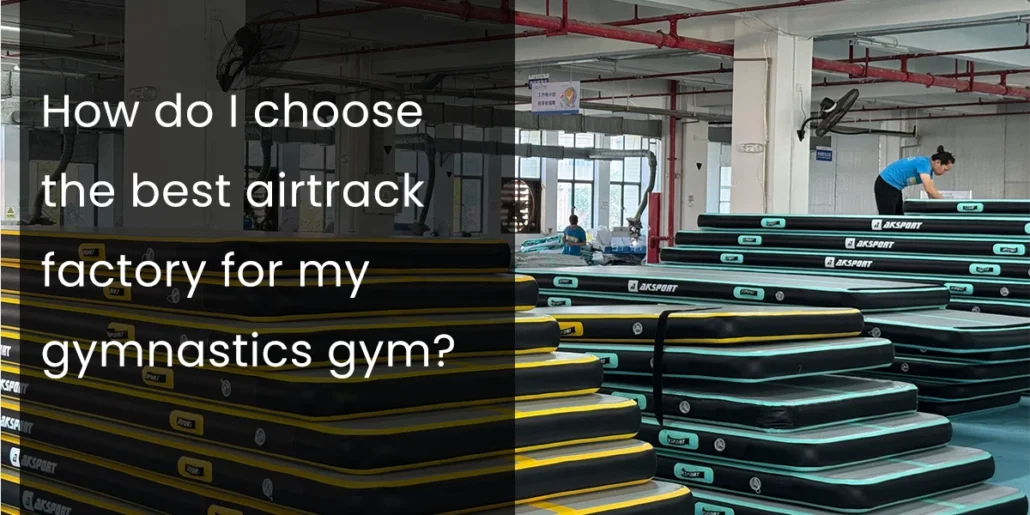
A workshop photo alone does not identify the supplier’s responsibilities. Ask who controls cutting, joining, valve installation, inspection and packing. Purchasing drop-stitch fabric from a textile supplier does not, by itself, make a finished-mat manufacturer a trading company.
Keep the approved sample, specification version and inspection requirements connected to the order. A factory audit and a product test report answer different questions; review the scope of each document.
Compare Construction and Seams Without Guessing Quality
Drop-stitch fabric has threads connecting its upper and lower faces. The core, surface material, panel height, geometry and working pressure all contribute to how a mat behaves. A high-density description alone does not establish its rebound or suitability for your training program.
Ask what a quoted material thickness measures: the coating, a fabric composite or a particular reinforcement layer. Double-wall construction describes the connected fabric structure; it does not automatically mean two outer PVC coating layers. Compare materials using the same measurement scope.
TWI’s plastics-welding overview explains high-frequency welding as a joining method used with compatible plastics, including PVC. For an air track, ask which joints use that process and how the factory checks them.
The process name does not prove that every seam will remain airtight. Inspect the proposed construction and request relevant seam tests. Avoid treating all adhesive joints as defective or all welded joints as permanent.
For the training surface, check the proposed finish and its care instructions. A material grade, thickness figure or texture is not evidence that the mat prevents injuries or replaces a spring floor.
Check Pressure Testing and Repair Support
What a Pressure-Hold Report Should Record
Ask for the model, test purpose, pressure and unit, stabilization period, start and finish readings, ambient conditions, test duration and acceptance criteria. Confirm whether testing covers each finished unit or a defined sample from the batch.
Temperature changes can affect the pressure in an inflated mat. A small change in a gauge reading cannot be interpreted without the test conditions. Working pressure, maximum permitted pressure and factory test pressure are separate figures; the supplier should explain each for the offered model.
A fixed test duration alone is not a quality standard. Review the complete procedure and results. A static hold also does not replace assessment of the sample’s training behavior, surface or connections.
Leak-Prevention and Repair Features to Review
- Air-retaining assembly: Examine seams, valve installation, seals and the checks used to identify leakage before packing.
- Matched inflation equipment: Confirm the pump, adapter, valve operation and model-specific pressure instructions.
- Repair provisions: Request approved patch materials, instructions and a clear distinction between repairable damage and faults requiring manufacturer service.
- Replacement support: Check spare-part availability, warranty evidence requirements and who handles return freight or replacement.
AirTrack Factory’s operating and repair resources are an example of product instructions buyers can review. Obtain the corresponding documents for the mat and pump you are actually ordering; another brand’s settings are not your model’s specification.
Confirm OEM Details, Delivery and After-Sales Terms
For custom gym equipment, approve the dimensions, colors, logo artwork, training markings, handle positions and connection layout together. Check that the sample represents the construction and accessories intended for production.
We at HUALE support custom air track and OEM development. Structural or connection changes should be reviewed with the intended training layout, rather than treated as decoration.
Ask for a schedule that separates specification approval, sampling, bulk production, inspection, dispatch and transport. Owning a factory does not by itself guarantee a delivery date. Record the agreed milestones and how specification changes affect the schedule.
Compare the complete offer: mat, pump, repair items, carry bag, packing, freight and service arrangements. Confirm the warranty scope, reporting process and proposed remedy for a manufacturing fault.
Buyers planning several sizes or repeat orders can review our wholesale air track supply program. Request the minimum quantity, price and delivery terms for the actual specification instead of applying one figure to every project.
FAQs About Choosing an Air Track Manufacturer
How do I choose the best airtrack for my gym?
Define the exercises, user group, floor surface, space and handling needs first. Compare written specifications and have qualified coaches evaluate the proposed sample within its stated use. Include instructions, repair support and order terms in the decision.
Do gymnastics gyms need to buy directly from an air track factory?
A gym can compare direct manufacturing with specialist distributors. Consider custom requirements, order quantity, freight, availability and local service. For a single standard mat, a distributor may offer a practical package; for a custom program, compare factory proposals.
Is thicker PVC always better for a commercial air track?
Thickness is one part of the specification. Confirm what is being measured and compare construction, seams, mat geometry, stated operating conditions and sample behavior together. A single thickness number does not prove suitability or service life.
What leak-prevention and repair features do air track mats include?
Features vary by model. Check seam construction, valve seals, finished-product leak checks, a matched pump, approved patch materials, repair instructions and replacement support. Ask the supplier to confirm which items are included and which faults need manufacturer service.
What should I request before ordering custom air tracks?
Request an approved specification and artwork, representative sample, relevant product documents, inspection criteria, accessory list, packing details, production schedule and warranty terms. Keep the agreed version linked to the order and confirm changes before production.