01
Finished Product Weight
Core construction and outer-layer selection affect product weight, user handling, courier charges and retail positioning.

Compare drop stitch fabric structure, woven and knitted DWF, outer-layer construction, finished thickness and validation requirements before approving an OEM inflatable product. The correct specification should be based on the finished product, not on a material name or pressure claim alone.
Woven or knitted drop-stitch structure and material reference.
Single-layer, reinforced double-layer or fusion-laminated direction.
Thickness, dimensions, shape and rigidity requirements.
Finished-product checks before the construction becomes a bulk-production reference.
Drop stitch performance is created by the complete inflatable structure. Internal thread architecture, coated face fabrics, outer layers, finished thickness and rail or seam construction all influence the behavior of the final product.
The base fabric and coating form the two external faces of the drop stitch panel.
Internal yarns connect the two faces and control the panel distance during inflation.
Additional PVC or laminated layers influence weight, processing, stiffness and surface finish.
Panel thickness is selected according to product geometry, rigidity and application requirements.
The panel becomes a finished inflatable structure only after the perimeter, seams, valve and related components are integrated.
The selected DWF structure affects more than pressure. It changes the product weight, handling, packaging, price position and after-sales risk.
Core construction and outer-layer selection affect product weight, user handling, courier charges and retail positioning.
Finished stiffness depends on thickness, internal thread structure, pressure, panel shape, seams and the complete product design.
The selected construction affects rail bonding, EVA adhesion, printing appearance, surface flatness and production control.
Heavier or thicker constructions may increase folded dimensions, gross weight, container planning and landed cost.
Neither structure should be selected from one marketing claim alone. The right choice depends on the finished product and target price tier.
| Decision Area | Woven Drop Stitch | Knitted Drop Stitch |
|---|---|---|
| Typical Weight Direction | Often selected when the buyer wants a lower-weight or performance-focused construction. | Commonly used for balanced cost, durability and mainstream product programs. |
| Rigidity Direction | Can support a stiffer construction when the full panel, thickness and outer layers are correctly specified. | Can provide suitable rigidity for many all-round SUP, air track and general DWF applications. |
| Cost Positioning | Usually considered for higher-value or weight-sensitive product ranges. | Often selected for standard retail and price-controlled programs. |
| Surface and Processing | Printing, lamination, bonding and surface appearance must be confirmed using the actual material batch. | Processing conditions also depend on the supplied fabric, coating and finished product construction. |
| Common Product Direction | Touring SUPs, racing SUPs, lightweight boards and selected commercial DWF products. | All-round SUPs, yoga boards, air tracks and many standard drop stitch product lines. |
| Buyer Should Validate | Finished weight, stiffness, rail bonding, appearance, packing and production consistency. | Finished rigidity, surface quality, durability direction, cost and batch consistency. |
The outer-layer construction influences weight, processing, surface finish, production cost and the type of customer the product is designed for.
Usually considered where low product weight and price control are more important than maximum stiffness.
Uses an additional reinforced PVC layer to increase structure and durability direction for selected product ranges.
Aims to combine reinforced outer layers with a more controlled lamination process and lower glue dependency.
A useful DWF specification connects material information to measurable finished-product requirements. Buyers should define what must be checked before the sample becomes the reference for bulk production.
| Engineering Item | What to Confirm | Validation Reference |
|---|---|---|
| DWF Structure | Woven or knitted structure, supplier reference and selected construction. | Material reference + approved specification. |
| Finished Thickness | Target inflated panel thickness for the selected application. | Drawing + physical sample measurement. |
| Finished Dimensions | Length, width, geometry and product-specific dimensional requirements. | Approved drawing + sample. |
| Finished Weight | Complete product weight including the selected construction and installed components. | Finished sample measurement. |
| Flatness / Deflection | Visible shape and rigidity under the approved test or working condition. | Inflated finished sample. |
| Air Retention | Pressure stability and visible leakage behavior according to the product QC plan. | Project-specific finished-product test. |
| Rail / Seam Compatibility | Compatibility between the selected DWF, rails, seams, reinforcement and bonding process. | Completed sample construction. |
| Surface Finish | Coating, graphics, surface uniformity, contamination and visible processing defects. | Sample review + batch inspection criteria. |
| Components | Valves, EVA, D-rings, fittings, handles or application-specific hardware. | Approved BOM / component list. |
| Packing | Folded dimensions, accessory configuration and final packing specification. | Approved packing sample. |
The same drop stitch specification should not be copied across every inflatable product. Geometry, load direction, thickness, seams, hardware and operating conditions change the engineering priorities.
Material information should be linked to a finished product specification and an approved physical sample before the construction becomes a production reference.
Record the selected material structure, supplier reference, construction and intended product use.
Check coating uniformity, contamination, visible yarn issues, surface condition and processing suitability.
Confirm finished thickness and key dimensions against the approved drawing and project specification.
Review compatibility with rails, seams, EVA, graphics, reinforcement and application-specific components.
Review air retention, shape, visible deflection, handling and other product-specific performance requirements.
Record the approved sample, drawing, artwork, material reference and component list before bulk production.
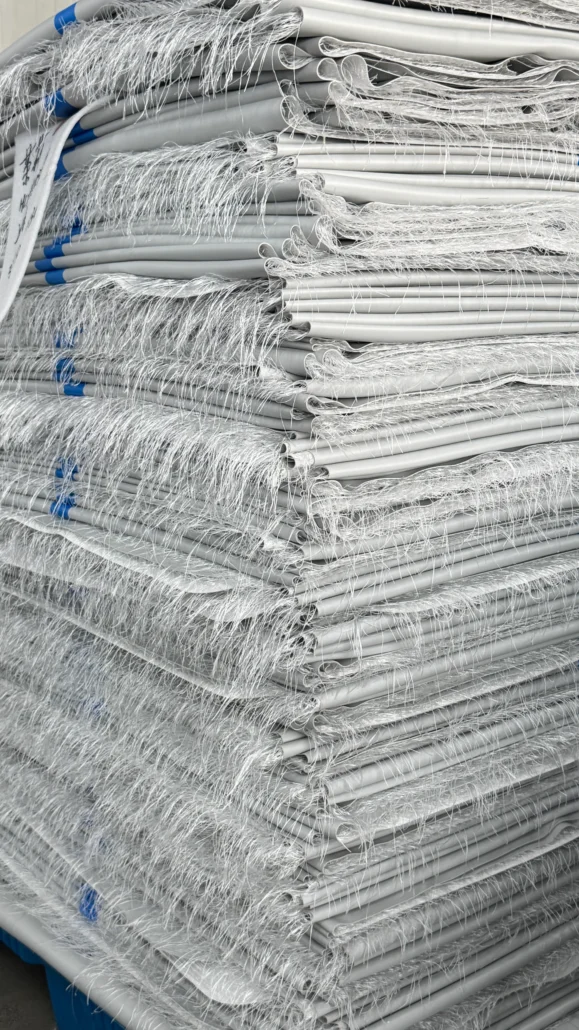
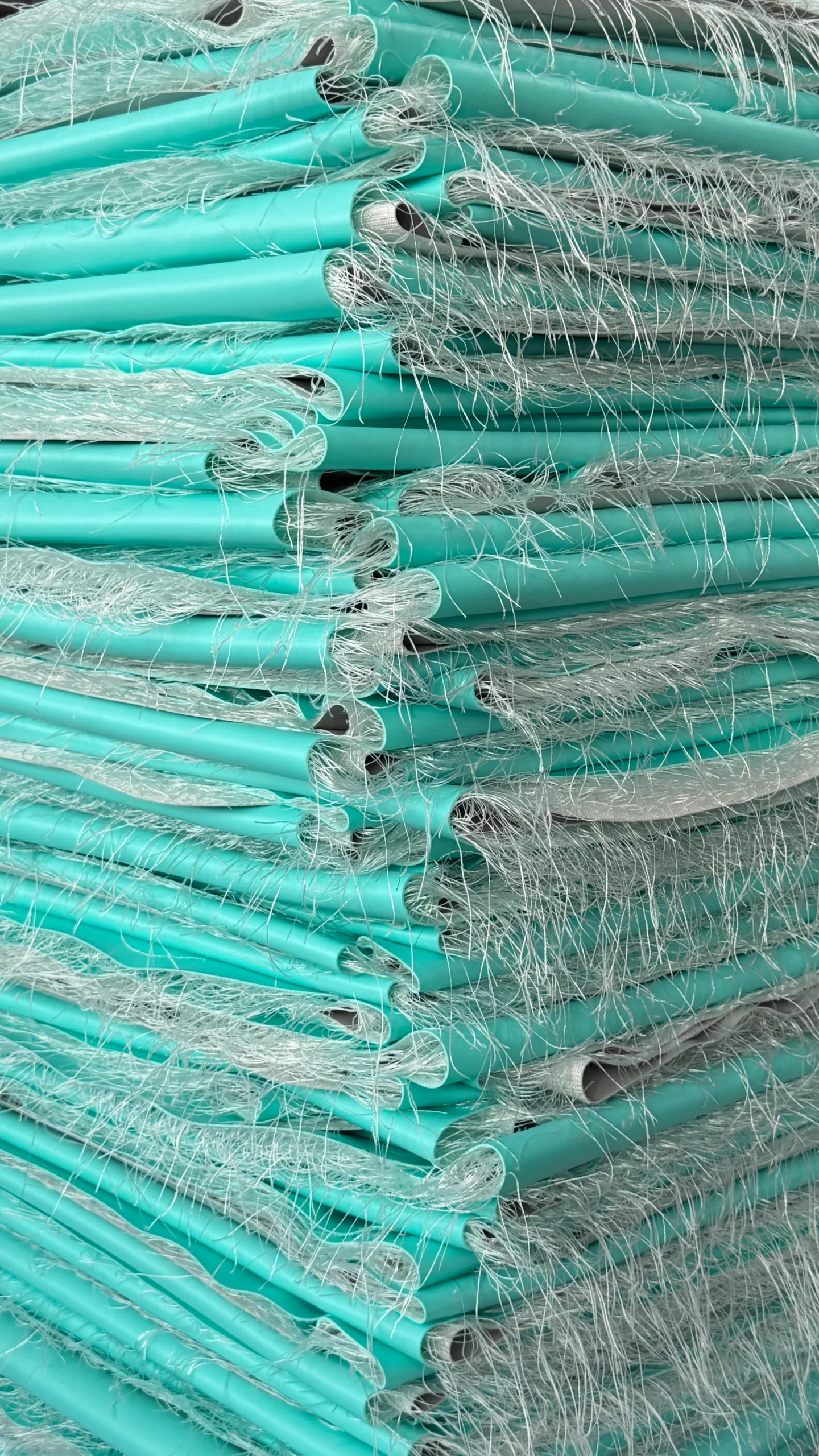
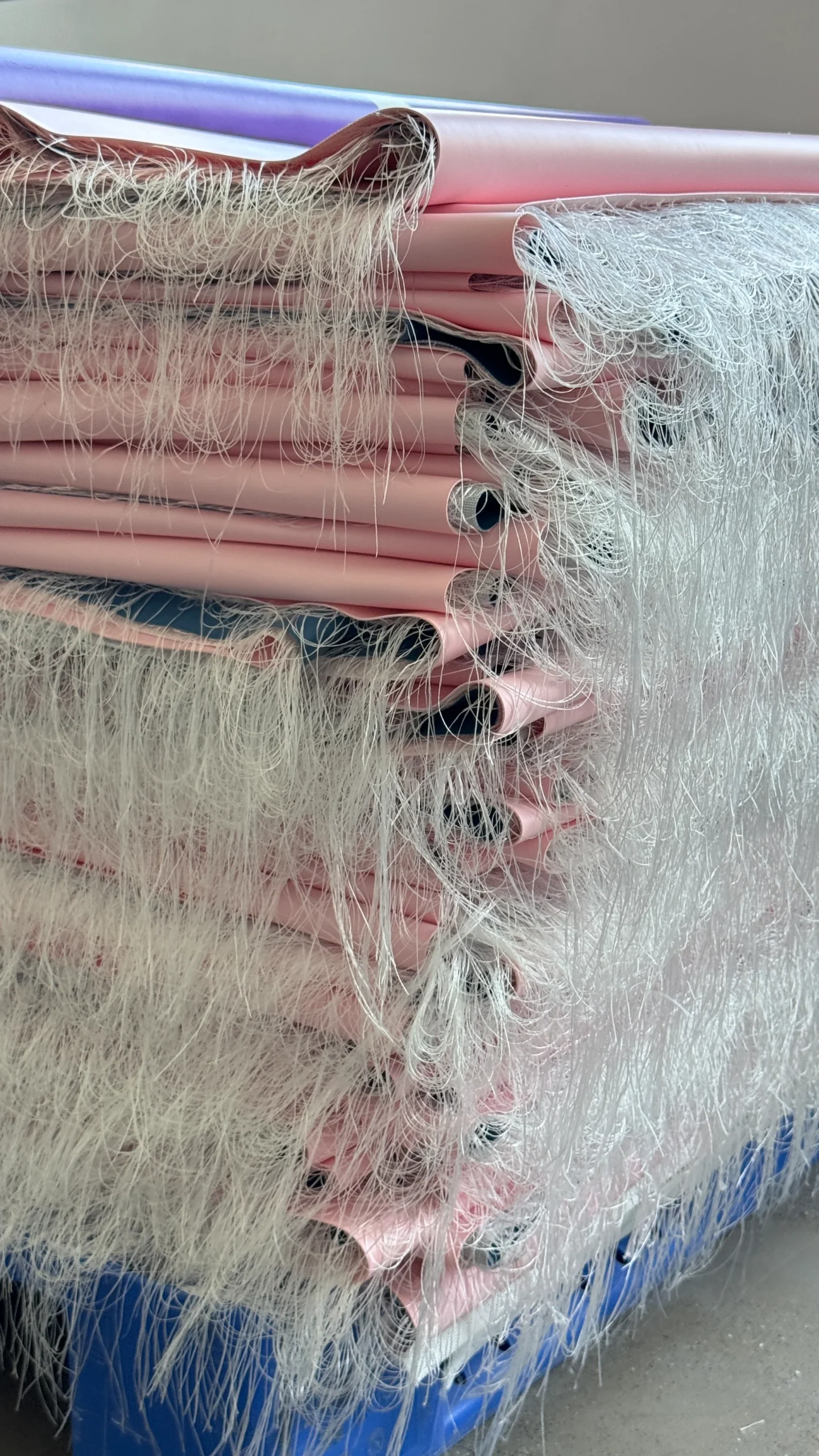
A clear technical brief helps us compare appropriate drop stitch construction directions before sample development. You do not need to know every material detail in advance, but the intended finished-product requirements should be defined as clearly as possible.
Answers about DWF structure, thickness, pressure, samples and bulk consistency.
Drop stitch construction uses internal threads to connect two coated fabric faces and control the panel thickness when inflated. The finished product also depends on outer layers, seams, rails, valves and the complete product design.
Woven and knitted structures use different internal yarn arrangements. Woven options are often reviewed for lower-weight or performance-focused products, while knitted options remain common for balanced cost and general-use programs. The final decision should be based on a finished sample.
No. A higher-cost or lower-weight material is not automatically the right choice for every market. Product use, target price, handling, packing, processing and after-sales requirements should be considered together.
They differ in outer-layer structure, weight, bonding process, cost and typical product positioning. Buyers should compare finished weight, stiffness, surface finish and production consistency rather than relying only on the construction name.
Thickness is selected according to product type, dimensions, user load, target rigidity, packing requirements and pressure plan. A SUP, floating dock, air track and pool wall should not automatically use the same thickness.
No. Material data, product dimensions, seams, valves, thickness and application all affect the finished working pressure. The approved pressure should be stated in the product specification after sample testing.
Available swatches and finished samples depend on the material and product being reviewed. A finished physical sample is normally more useful when the buyer needs to evaluate rigidity, handling, graphics, accessories and packing.
The approved sample, drawing, material reference, artwork, component list and inspection criteria should be recorded before production. Any material or structural substitution should require written approval.

Your information will be kept strictly confidential.
We will contact you within 1 hour. Please pay attention to the email with the info@huale-inflatable.com
