
Wholesale Air Balance Beam — Inflatable Beam Manufacturer
Safer alternative to wooden beams · 3m to 5m lengths · Children's gymnastics & rehabilitation · MOQ 10 pcs · CE certified
- 10 pcs MOQ
- 3m / 4m / 5m Standard Lengths
- Child-Safe Fall Protection
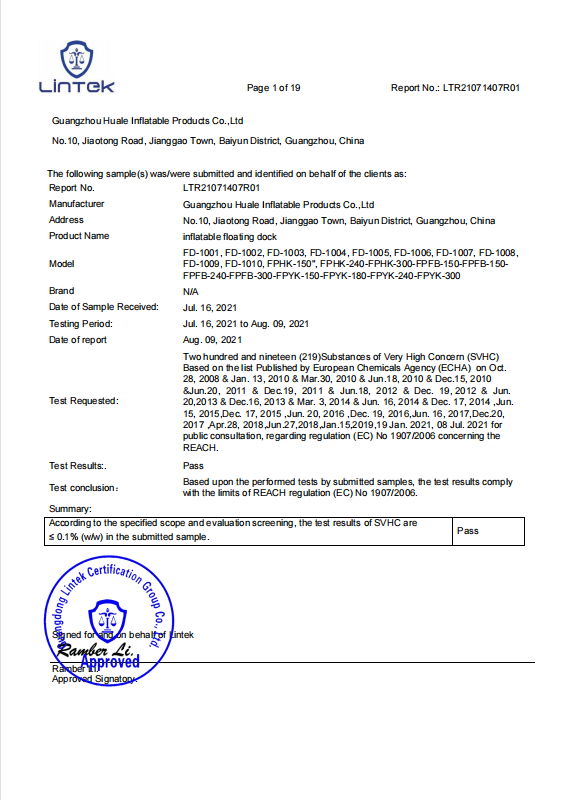
- CE / CPSC / REACH Certified
- 90% Less Impact Injuries vs Wood
Who We Work With
Air balance beams serve a specific B2B segment: programs prioritizing safety during balance training fundamentals. Here are the three buyer types we supply most.
Children's Gymnastics & Recreational Programs
You teach young gymnasts (ages 4-12) learning balance fundamentals. Traditional wooden beams generate frequent bruising and cause confidence issues in young athletes — 90% of early-stage students fall off beams repeatedly during learning. Inflatable beams eliminate the impact risk while preserving the balance-training benefit.
Rehabilitation & Physical Therapy
You treat patients recovering proprioception, balance, or post-surgical stability. Inflatable balance beams provide graduated difficulty — patients start wider and lower, progressing to narrower and higher as rehabilitation advances. Safer than wood for elderly or balance-compromised patients.
Youth Sports & Schools
You run school PE programs, youth sports clubs, or dance/performing arts schools introducing balance work. Budget-constrained institutions benefit from inflatable beams' lower cost (50-60% less than wooden competition beams) combined with safer failure modes when students lose balance.
Standard Air Balance Beam Configurations
Three standard length configurations cover most children's gymnastics and rehabilitation programs. Standard 10cm beam width matches traditional gymnastics competition beam specification.
| Length | Width | Thickness | MOQ | Ideal For |
|---|---|---|---|---|
| 3m | 10cm | 15cm | 10 pcs | Home training, small studios, beginners |
| 4m ⭐ | 10cm | 15cm | 10 pcs | Recreational gymnastics, children's programs |
| 5m | 10cm / 12cm | 15cm / 20cm | 10 pcs | Competition-style training, advanced recreational |
Standard beam width (10cm / 4 inches) matches traditional gymnastics competition beam width, which is what students will encounter in formal training environments. 12cm width is available as a beginner progression — slightly wider for early-stage confidence building. Most recreational programs order 10cm width to match what students see in competition settings. Height options (floor-level or elevated with inflatable support base) are available as customization.
What You Can Customize on Air Balance Beams
Air balance beam customization focuses on length flexibility, height configurations, and child-safety enhancements. Here's what's flexible from 10 pcs MOQ.
1. Length & Width Customization
Standard lengths cover most program needs:
- 3 standard lengths (3m, 4m, 5m) at base MOQ
- Custom lengths between standard sizes available from 30 pcs (e.g., 3.5m, 4.5m, 6m)
- Extra-long beams (6-8m) for institutional programs requiring extended balance training surfaces
- Width options: 10cm (competition-spec) or 12cm (beginner-friendly)
2. Surface Texture Options
Beam top surface critical for non-slip foot grip:
- Smooth surface (default) — closest match to wooden competition beam feel
- Micro-texture surface — slightly enhanced grip for younger learners or rehabilitation patients
- Anti-slip rubber strip — bonded grip strip running beam length, reduces slipping during early-stage training
For children's programs, micro-texture surface significantly reduces slip incidents during early-stage learning.
MOQ: Smooth from 10 pcs / Textured surfaces from 30 pcs3. Raised Mounting Base (Height Options)
Standard beams sit at 15cm above floor. Height upgrades use separate inflatable support base:
- Floor-level (15cm height): default, safest for beginners
- 20cm raised base = beam top at 35cm (younger competition height for ages 9-12)
- 40cm raised base = beam top at 55cm (recreational adult competition height)
- Full-height base (1m+) for custom orders simulating FIG-spec 1.25m competition height
Support base inflates separately for adjustable height progression as athletes advance.
MOQ: Floor-level from 10 pcs / Raised bases from 30 pcs4. Surface Color & Visual Branding
Color options for program identification and aesthetic preference:
- White (default, matches traditional competition beam appearance)
- Solid bright colors (blue, red, pink, purple) for children's programs
- Two-tone color schemes (top surface contrast with side colors)
- School colors or program-specific color palettes (PMS-matched custom colors available)
For rehabilitation clinics, neutral colors (white, gray, beige) preferred to reduce visual stimulation. For children's programs, bright colors increase engagement.
MOQ: Standard colors from 10 pcs / Custom from 30 pcs5. Logo & Program Branding
UV-fused branding into beam surface during lamination:
- Single logo at center of beam or end-cap placement
- Multi-position logos (school logo + program name + sponsor logos)
- Distance markings (1m intervals) for skill progression tracking — particularly useful for elementary education
- Foot placement guides and skill progression markers
Logos are UV-fused into the outer PVC layer during manufacturing — cannot peel, fade, or scratch off under normal use.
MOQ: 10 pcs (logo customization)6. Fall-Protection Bundle
Complete safe-learning configurations for institutional buyers:
- Beam + matched-spec air floor on both sides (standard fall zone)
- Beam + 4 air spots positioned at fall zones
- Beam + extended-length air floor (covers entire beam length plus 1m on each end)
- Multi-beam classroom set: 4 beams + matching landing zones for full PE class deployment
Bundle pricing at combined volume tier vs. ordering components separately. Most institutional buyers order this combination together.
MOQ: Bundle configurations from 20 pcs combinedHow to Place an Air Balance Beam Order
Request a Sample Beam
Order single 4m sample beam — recommended length for most children's programs and rehabilitation. Inflate at your facility, run beginner classes for 2 weeks, gather coach feedback before bulk volume.
Lead time: 7-10 daysConfirm Specification
Lock spec including length, width (10cm/12cm), thickness, surface texture, height base configuration, color, and logo placement. Written spec sheet before any deposit.
30% T/T depositProduction with 48-Hour QC
Every beam undergoes 48-hour pressure retention test before packing. Heat-welded seam integrity verification on every unit. Pre-shipment QC photos for orders 30+ pcs.
Production: 25-30 daysShipping & Delivery
70% T/T balance before shipment. FOB Guangzhou or CIF to your destination port. For school district deliveries, direct-to-school logistics coordinated.
FOB / CIF / Door-to-doorGlobal Compliance Standards:
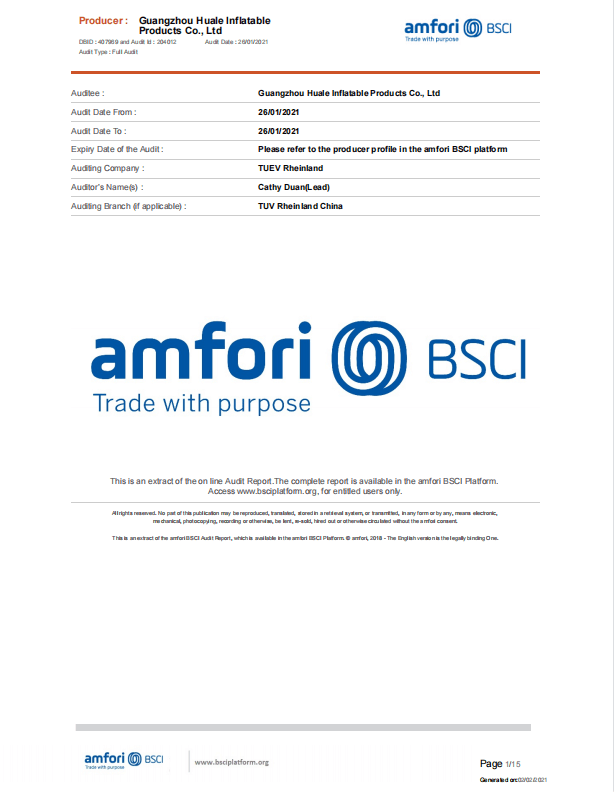
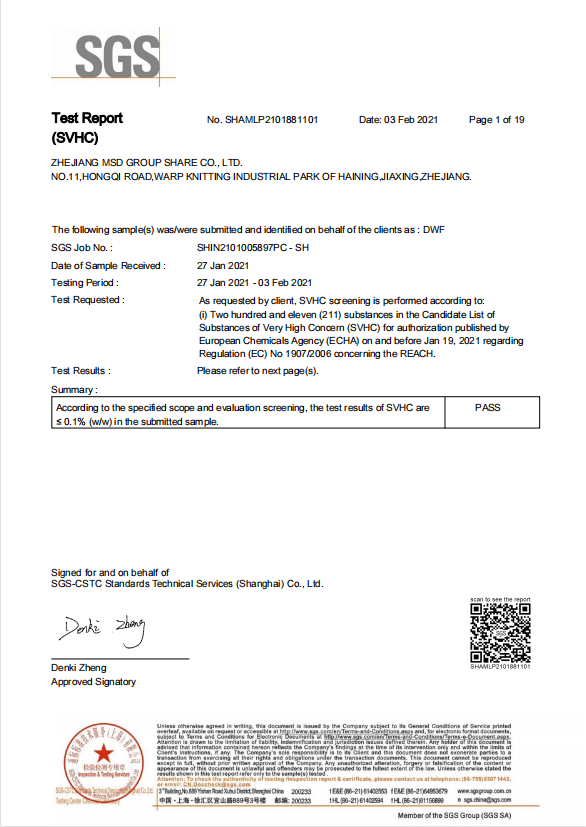
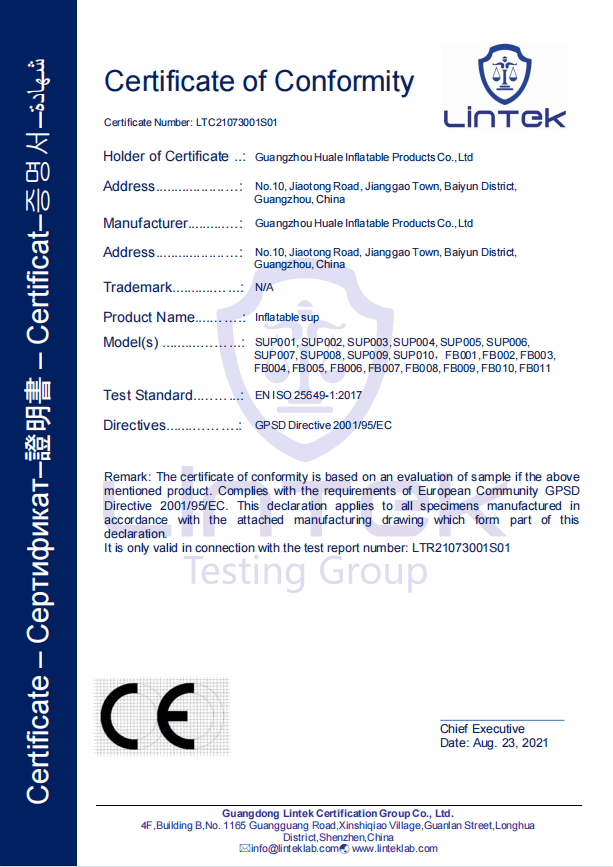
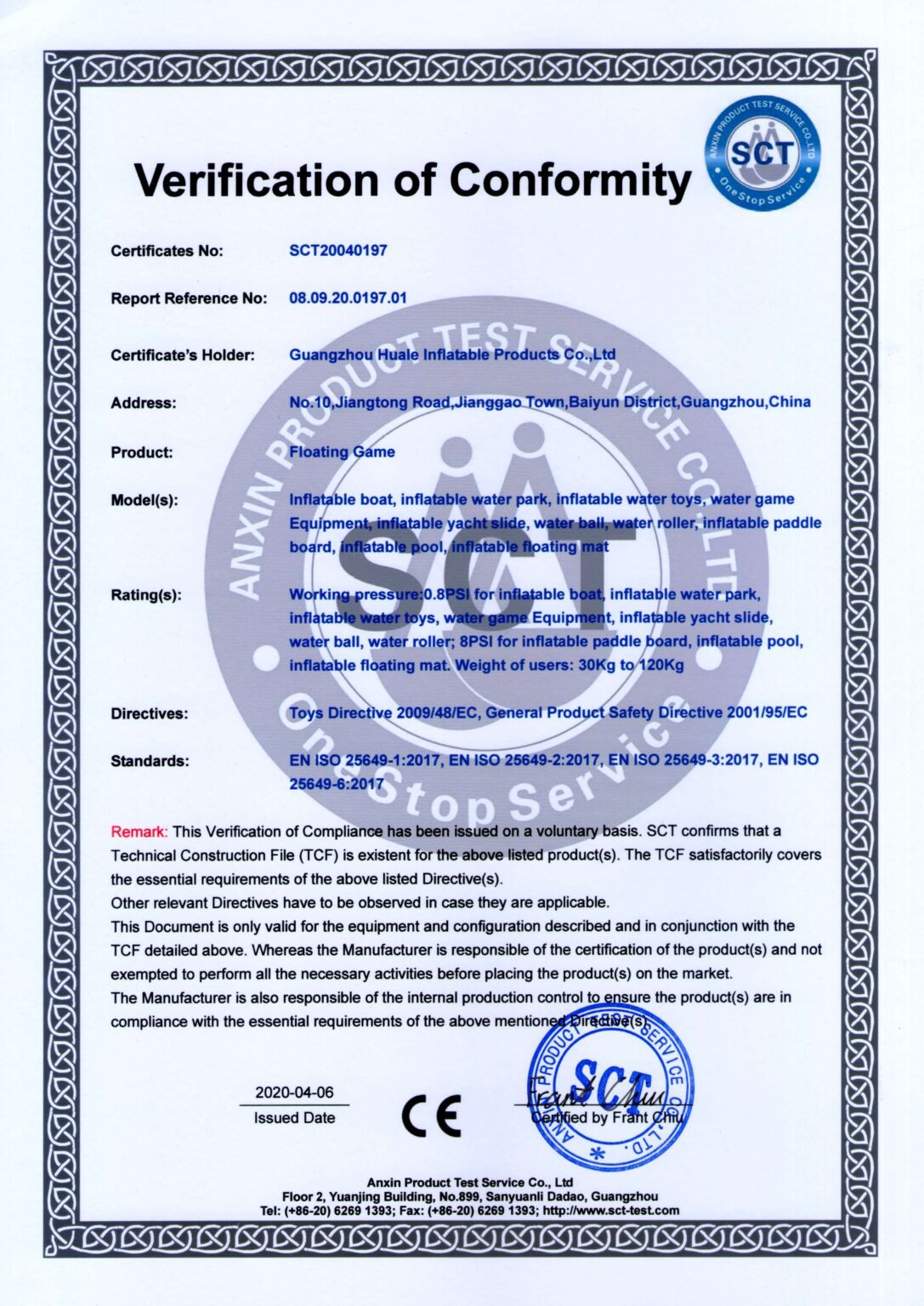
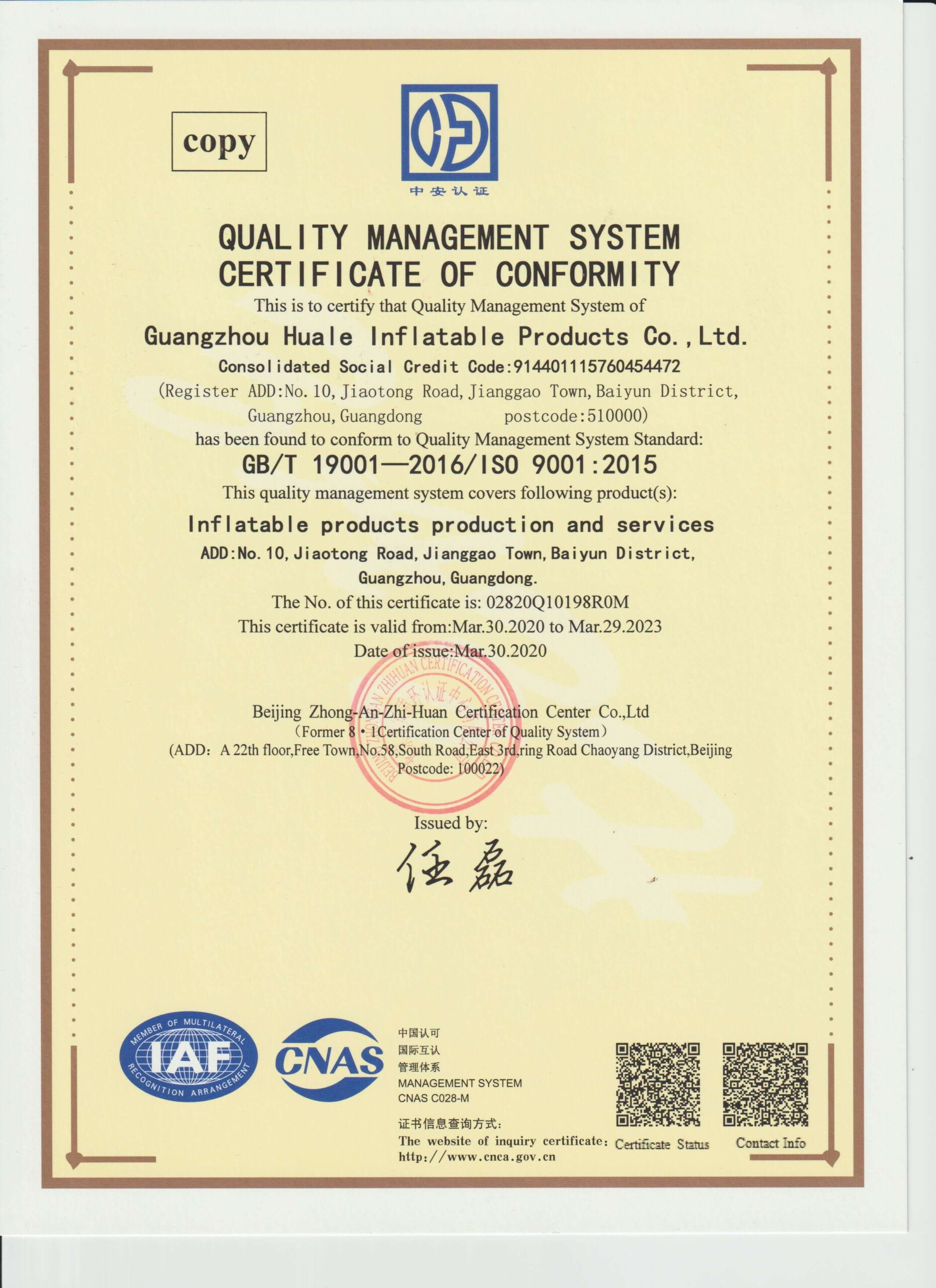
ISO 9001, CE & SMETA 4-Pillar Audited
At Huale, manufacturing excellence goes beyond quality; it’s about responsibility.
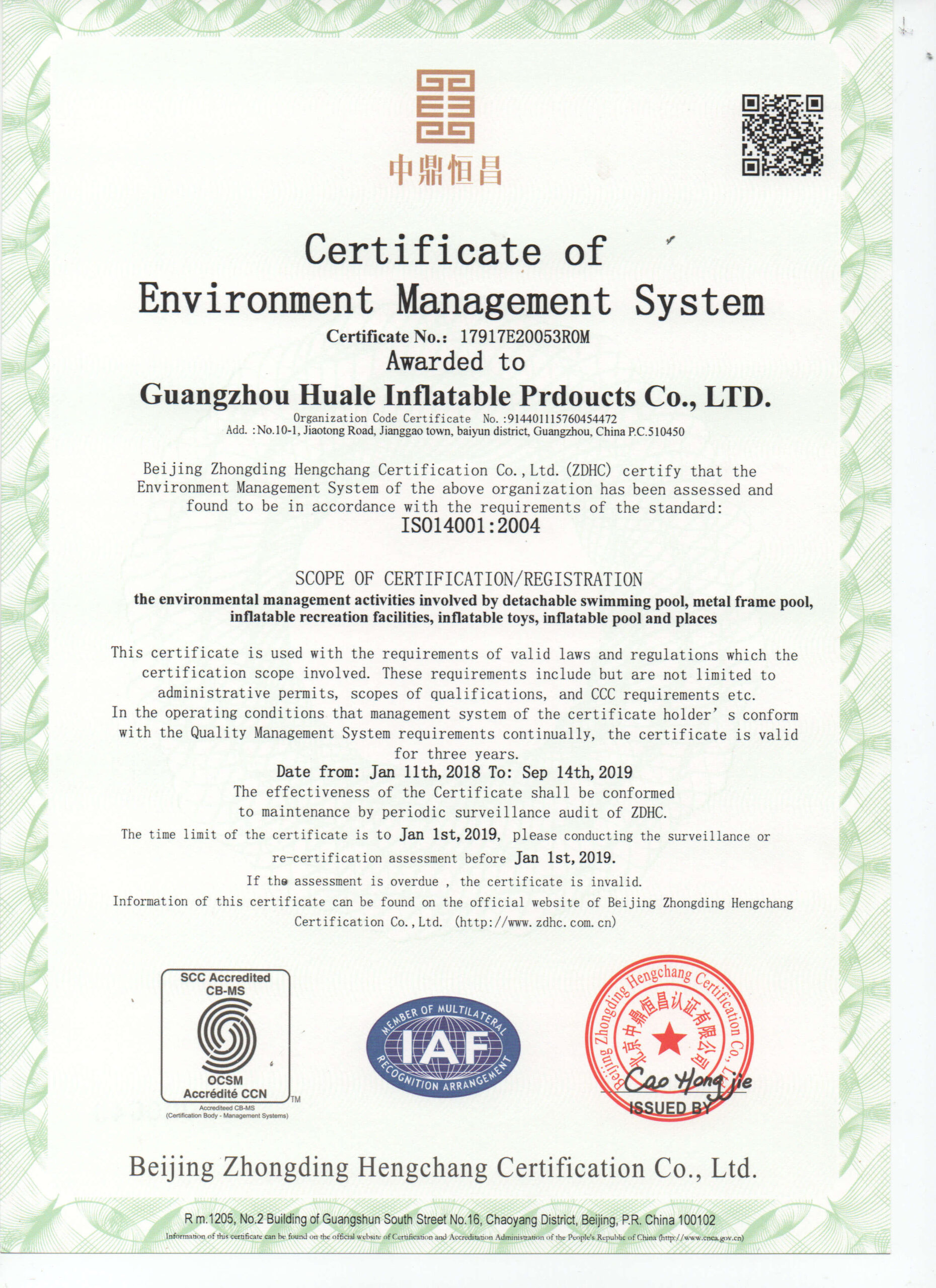
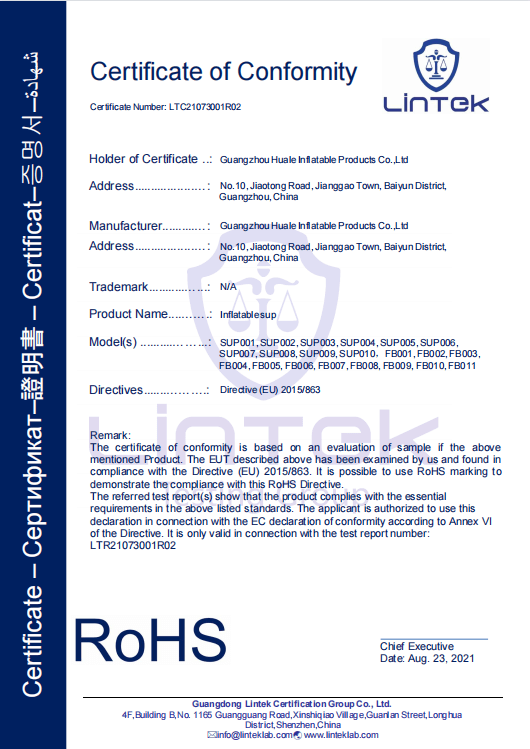
We are fully certified with ISO 9001, CE, BSCI, and REACH for global export.
New Milestone: We are proud to be a SMETA 4-Pillar Audited facility.
This ensures your brand partners with a manufacturer committed to ethical labor, safety, and transparency.

Wholesale Air Balance Beam — FAQ
Who uses inflatable balance beams — are they for serious gymnastics?
Inflatable beams are primarily for learning, recreational training, and rehabilitation — not for advanced competition gymnastics where wooden beams remain standard. However, for children's programs (ages 4-12), beginner adult gymnasts, and rehabilitation patients, inflatable beams offer substantial safety advantages over wood during the skill-acquisition phase.
Programs typically use inflatable beams for 60-70% of practice time with young learners, reserving wooden beams for advanced skill polishing.
How does an inflatable beam compare to a wooden competition beam in stability?
At correct inflation pressure (15 PSI), an inflatable beam is approximately 85% as stable as wood for standard balance work — walking, turning, simple poses. For dynamic skills requiring complete rigidity (back handsprings, leaps with aerial components), wood remains superior.
For learning stages and rehabilitation where stability matters less than fall safety, inflatable beams are fully adequate.
What's the impact protection benefit vs. a wooden beam?
The primary safety benefit: when a student falls, they land on an inflatable surface rather than a hard wooden edge. In children's gymnastics programs, 90% of serious beam-related injuries involve impact with the beam itself (shins, thighs, head hitting the beam edge) rather than the surrounding floor.
Inflatable beams eliminate this injury category almost entirely, reducing medical incidents and insurance claims significantly.
Can inflatable beams be used at competition events?
For sanctioned formal competition: No, wooden beams remain required by gymnastics federations. For informal events, school demonstrations, charity exhibitions, and recreational tournaments: Yes, inflatable beams are widely used.
Some school districts have begun requiring inflatable beams for younger-age competitions (under-10) as a safety mandate.
How do the raised-base mounting options work?
Standard beams sit on the gym floor (beam top at 15cm above floor). Elevated options use inflatable support bases: 20cm base = beam top at 35cm above floor (matches younger-gymnast competition height); 40cm base = beam top at 55cm (matches recreational adult height); full-height base (1m+) is available for custom orders simulating full competition-height beams.
Support base is inflated separately from the beam for stability.
What's the lifespan of an inflatable beam in a recreational gym?
4-6 years under typical recreational program use (2-4 hours daily across multiple classes). Primary wear: surface abrasion from constant foot traffic (cosmetic, not structural), valve wear from inflation cycles (our stainless steel cores last longer than zinc-plated alternatives), and seam integrity (heat-welded seams rarely fail; glued seams are not what we use).
Replacement is typically driven by surface appearance rather than functional failure.
Can elderly rehabilitation patients use inflatable beams?
Yes, and this is a growing application. Senior balance work at physical therapy clinics benefits from the soft-failure characteristic — if an elderly patient loses balance, they fall onto an inflated surface rather than a wooden edge. The reduced injury risk allows therapists to progress patients through more aggressive balance work than would be safe with traditional beams.
Our rehabilitation specification uses lower PSI (10-12 PSI) for slightly softer beam surface.
Can I order an inflatable beam with matching surrounding fall-protection matting?
Yes. Our beam + landing zone bundle includes: 5m inflatable beam + surrounding 4×2m inflatable floor (20cm thick) positioned along both sides of the beam. This is the complete safe-learning configuration — if a student falls off the beam, they land on the adjacent inflatable floor rather than the gym floor.
Bundle pricing at combined volume tier vs. ordering components separately.

Talk To Our Expert
Your information will be kept strictly confidential.
We will contact you within 1 hour. Please pay attention to the email with the info@huale-inflatable.com