
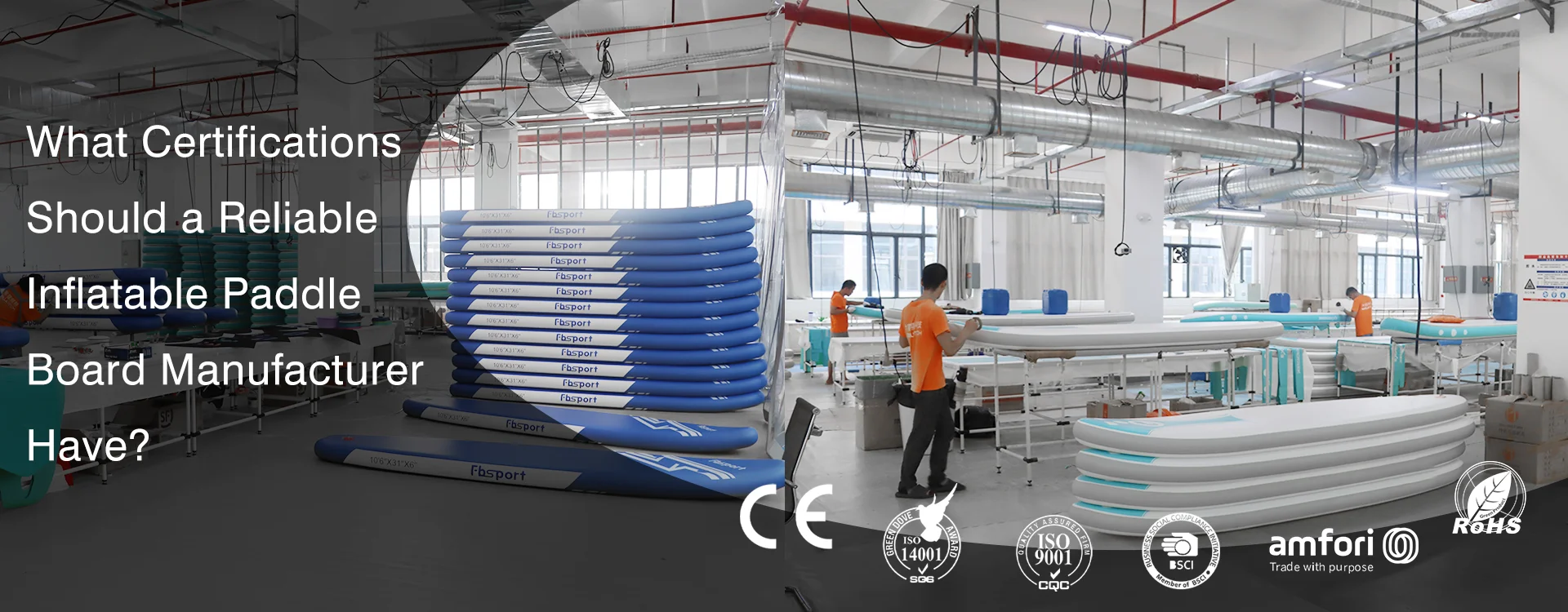
I’ve been walking around factories and checking out drop-stitch production lines for fifteen years, and I’ve seen a scary pattern.
A lot of people who want to own a brand get too caught up in how it looks—the print quality, the texture of the deck pad, the positioning of the D-ring—but they don’t pay attention to the paperwork that makes those things lawful to sell.
I have seen customs in Rotterdam and Long Beach take away crates of magnificent boards only because the maker didn’t follow the rules for chemicals. This is a nightmare that can be completely avoided.
When you’re looking for a provider for your next inflatable paddle board (iSUP) collection, you’re not just seeking for someone to make it; you’re also looking for someone who knows how to follow the rules.
A trustworthy manufacturer doesn’t just say their products are good; they show it by following a set of international standards. This is what you should check for in their audit file.
ISO 9001: The Blueprint for Consistency
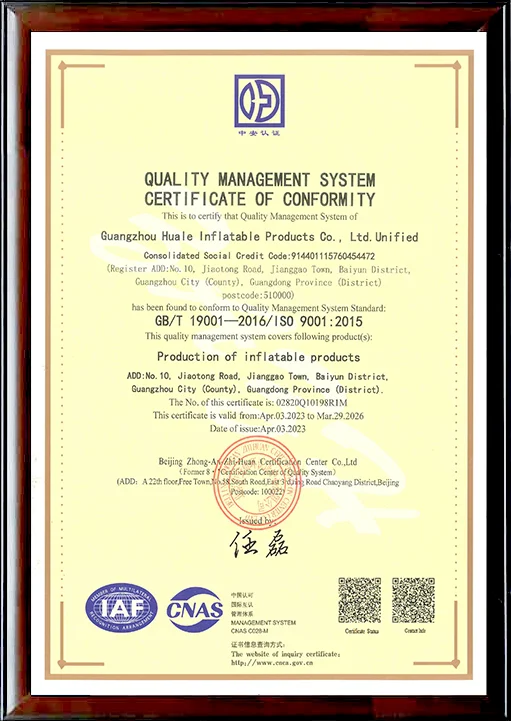
You might see “ISO 9001” on a lot of websites, but not many purchasers know what it means for the end product. It is a Quality Management System (QMS) certification, not a product certification.
Without this, a factory is basically just hoping for the best.
ISO 9001 makes sure that the board you get in November is the same as the one you approved in March. It shows that the firm has strict rules for getting raw PVC, keeping an eye on glue ratios, and doing the last 72-hour inflation test.
According to the International Organization for Standardization, this standard is about “consistent quality,” which is the lifeline of any B2B relationship.You are taking a risk with every shipment if your supplier can’t show you a current ISO 9001 certificate.
REACH and Prop 65: The “Smell Test” for Chemical Safety
Have you ever opened a box of cheap inflatable toys and smelt a strong, pleasant chemical smell? That smell comes from hazardous phthalates, which are chemical plasticisers that make PVC flexible.
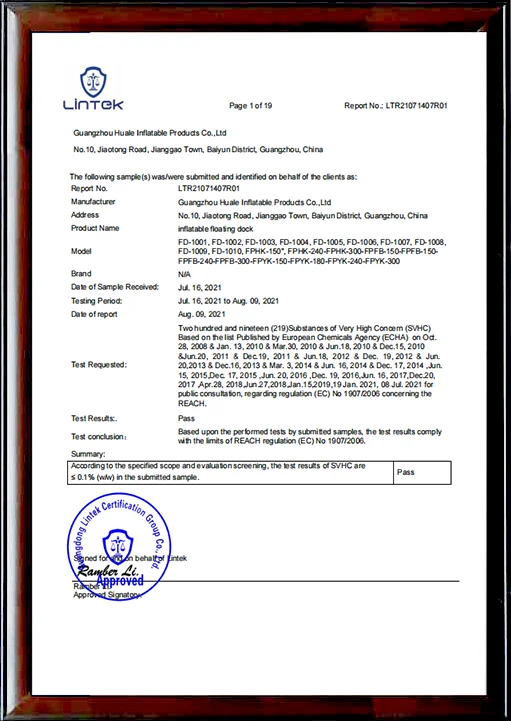
For brands selling into Europe, compliance with REACH regulations is non-negotiable. This EU regulation strictly limits the use of hazardous substances. If your boards contain high levels of lead, cadmium, or banned phthalates, they can be pulled from shelves immediately.
If your target market is the United States, specifically California, your manufacturer also has to know about California Proposition 65.
I always tell my clients not to only ask if the factory is “safe.” Specifically ask for their most recent SGS or TUV test results that look for SVHC (Substances of Very High Concern).
A company that cares about the long term will use eco-friendly plasticisers that pass these strict standards without any problems.
CE Marking: Your Passport to Europe
A paddle board is frequently thought of as sports equipment, yet in many places, it is almost considered a recreational craft.
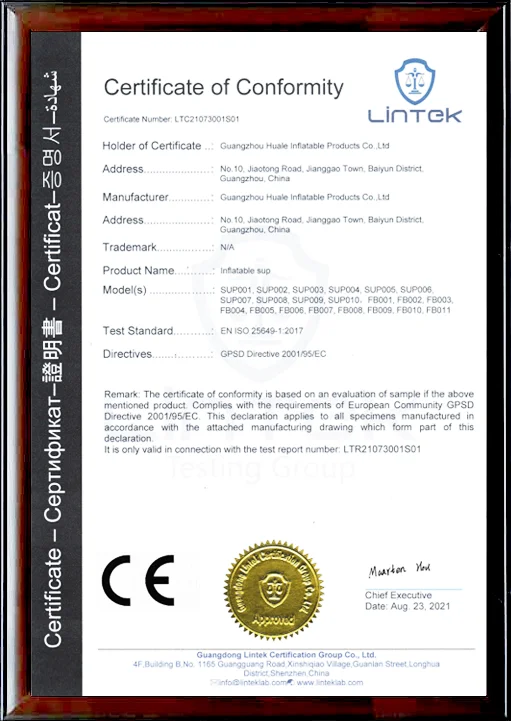
The CE Mark is required for many water sports equipment sold in Europe. It says that the product meets EU health, safety, and environmental standards.
For example, we look at standards like ISO 6185 for inflatable boats and buoyancy aids. This standard tells us what safety requirements they must meet.
Even if you only sell regular iSUPs, having a factory that knows what paperwork is needed for CE compliance demonstrates that they are smart enough to handle the regulations for exporting to other countries. It shows that they don’t simply make toys; they also make sports gear.
BSCI or SMETA: Protecting Your Brand’s Reputation
Last but not least, we need to talk about people. Modern shoppers, as well as big-box stores like Costco and Decathlon, worry a lot about how their items are created.
Social compliance audits like BSCI (Business Social Compliance Initiative) or Sedex SMETA verify that the factory provides safe working conditions, fair wages, and prohibits child labor.
Why does this matter to you as a buyer? Beyond the ethical obligation, a factory that abuses its workforce is usually a factory in chaos.
High staff turnover leads to poor workmanship and glue defects.
When I see a factory with a high BSCI score, I see a stable workforce that knows how to build a board properly because they’ve been doing it for years.
Trust, But Verify
Certifications are more than just badges to put on your package; they protect you from recalls, customs seizures, and damage to your reputation.
Before you transfer that deposit, ask the maker to email you their latest certificate files. Look at the dates. Look at the scope.
A companion like Huale who is open and honest would have these available for you before you even ask.


